
our-blog, Startup

The Prescriptions for Selling Vapes Online

The legal prescriptions for selling vapes online aren’t as simple as some extra checkout buttons for your customer to press. Because vapes (or electronic nicotine delivery systems, “ENDS”) are regulated under U.S. law, online retailers must follow strict compliance steps — and consumers must meet certain legal requirements.

Under the federal Tobacco 21 (T21) law, it is illegal to sell any tobacco product — including e-cigarettes and nicotine-containing vapes — to anyone under 21 years old. Retailers must verify age using a government-issued photo ID. The FDA requires retailers to check photo IDs for anyone under 30 who attempts to buy regulated products, as of September 30, 2024.

Identity Verification

Since T21, vape stores have created methods to ensure customers are over 21. However, online vape stores must go beyond a simple “I am over 21” checkbox. The legal prescriptions for selling vapes online include federal laws. Businesses often use third-party age verification services in order to ensure compliance. These services compare customer information (name, date of birth, address) with public or private databases before completing a sale.

After verifying, retailers also need to keep records of every transaction’s age check and ID verification. These logs may be subject to inspection by regulators. All in all, it is possible to sell vapes online; however, this business comes with many regulations to note.

Selling Vapes Online: Delivery Requirements

Selling vapes legally online requires compliance with the PACT Act. Online vape sellers are required to ensure that a 21+ adult signature is obtained upon delivery. The person receiving the package typically has to show a valid ID at delivery time. Because of these requirements, many vape retailers use specialized shipping services that are compliant with the PACT Act.
Blue line-art illustration of three vape devices displayed on a computer monitor, representing online vape product listings.
Sellers need to consider many laws and regulations from the T21 to the PACT Act and more.

Product Authorization

Not all vape products are equal in the eyes of regulators. The FDA oversees the sale, manufacturing, labeling, and importation of ENDS products. The FDA must authorize products through pre-market review before companies can legally sell them. Retailers who mix or modify e-liquids (e.g., custom flavors) may fall under FDA manufacturing rules, which impose additional regulatory burdens.

Additionally, online vape stores selling across multiple states must consider various state regulations in order to ensure order compliance. Common state regulations include excise taxes and e-juice flavor bans. For example, since Massachusetts has a complete flavor ban, online vape retailers can’t ship strawberry-flavored vapes to customers in this state.

Vape Business Responsibilities

As a vape business selling online, it is important to ensure that your website includes functions that ensure regulatory compliance, like age verification checks and PACT Act delivery compliance. FutureEcom provides a platform that uses AI to confirm age verification. PACT Act compliance, order compliance, and more. Learn more on our website.
Read More
our-blog, Technology

Hybrid E-commerce: Our Approved Predictions For Retail In The Future

The internet is abuzz with discussions of how COVID has changed the buying habits of consumers. While some feared that getting used to online shopping meant that people will only be buying online, the reality is that many still have a preference to visit a store and see an item in person before making a purchase. Nevertheless, we can’t ignore the recent upsurge in online stores over the past few years, from 9.7 million stores worldwide in 2019 to over 26 million stores today; and the number of new ecommerce sites continues to grow each year. The new reality is that the future of ecommerce is not just online; it’s a hybrid model that merges the digital and in-store realms. This blog delves into what this future looks like and how businesses can navigate and thrive in the blended retail landscape.

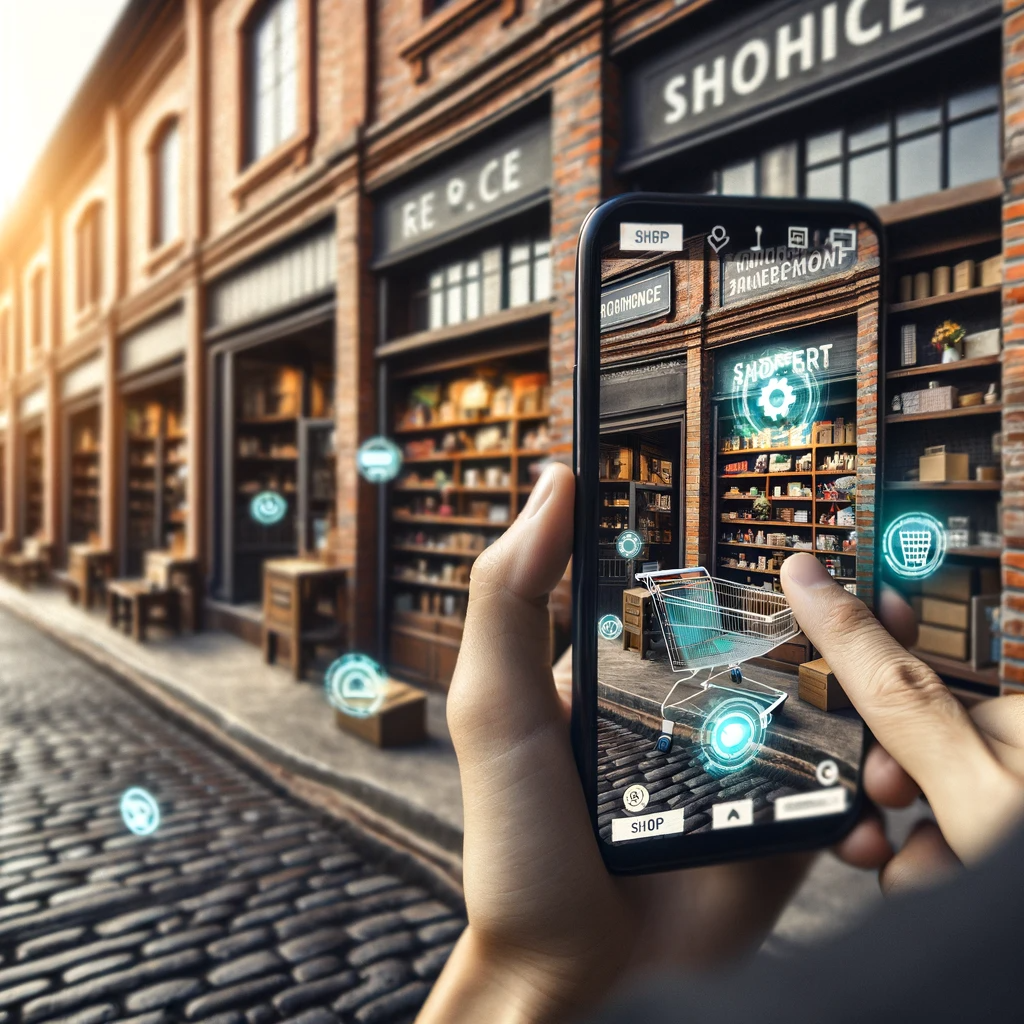
Image of a hybrid between brick and mortar stores and the digital realm illustrating the future of hybrid ecommerce.

Integrating Physical and Digital Experiences for a Hybrid Model

The cornerstone of hybrid ecommerce is the seamless integration of online and offline experiences. Over the past few years, retailers have been adopting newer technologies that blur the line between physical and digital shopping. For instance, virtual fitting rooms and augmented reality (AR) apps allow customers to try products virtually at home. Smart mirrors in physical stores suggest products based on customer preferences. This integration is expected to become more sophisticated, offering highly personalized and immersive shopping experiences.

Data-Driven Personalization

As retailers operate both online and offline, they gather vast amounts of data. This data, when analyzed effectively, can lead to highly personalized shopping experiences. Imagine walking into a store where the sales staff knows your online shopping history and can make personalized recommendations. Or, an online platform suggesting products based on your in-store purchases. The future of hybrid ecommerce lies in harnessing this data to create a uniquely tailored experience for each customer.

Flexible Fulfillment Options

Convenience is key in the future of hybrid ecommerce. Customers want flexibility in how they can get their products. Services like buy online, pick up in-store (BOPIS), and same-day delivery are becoming standard offerings. We’re also seeing the rise of automated pickup stations and smart lockers, which offer customers the convenience of picking up their online purchases at a location of their choice.

Enhanced Customer Support

Hybrid ecommerce also focuses on providing consistent and efficient customer service across all channels. This means integrating customer service platforms so that a potential buyer can send a query online, which can then be answered by an in-store employee. AI-powered chatbots and virtual assistants will play a significant role in offering immediate and personalized customer service. But these can be even better enhanced by routing a call to the nearest store when a personal touch is required.

Technology at the Forefront

Technological advancements will continue to drive the future of hybrid ecommerce. Technologies like blockchain for secure transactions, AI for predictive analytics, and augmented reality for enhanced inventory management will revolutionize the way retailers operate.

Adapting to Changing Consumer Behaviors

The future of hybrid ecommerce will be about staying agile and responsive to changing consumer behaviors. Retailers will need to continually adapt their strategies to meet evolving customer expectations and stay competitive in a rapidly changing market.

Conclusion

Yes, people are still visiting stores! So the future of online shopping is hybrid ecommerce, which is a dynamic, integrated experience. So, for businesses, the key to success in this new retail landscape will be their ability to adapt, innovate, and seamlessly merge their online and offline operations. As technology continues to evolve, so too will the opportunities for retailers to create engaging and efficient shopping experiences that meet the needs of their customers.

Contact us now to learn how we can help bring your business into the hybrid future!

Read More